Beyond the Steppe

ما بعد الهضاب العليا

Photo essay by Cléa Tassadite Rekhou
Translated by Nada Hodali
مقال مصور كلييا تسعديت رخو
ترجمة ندى هودلي

Between the Mediterranean and the Sahara Desert, the Algerian steppe unfolds as a unique and vital ecosystem. Stretching across more than 32 million hectares, this semi-arid territory is home to pastoral communities whose lives have long been shaped by the rhythms of the land. Yet today, this fragile landscape is undergoing profound ecological transformation.

In Laghouat and Djelfa, two neighbouring steppe provinces in northern Algeria, desertification is quietly reshaping the land and the herders – those who live on it, protect it, and adapt to it – who give voice to this crisis. Djefla sits at the heart of the steppe and is marked by the Green Dam reforestation belt, whilst Laghouat, just to the south, is known as the gateway to the desert, where the steppe vegetation thins out, announcing the Saharan landscape beyond.

 

ما بين البحر الأبيض المتوسط والصحراء الكبرى، تتواجد الهضاب العليا (السهوب) الجزائرية كنظام بيئيٍّ حيويٍّ ومميزٍّ ممتدًّا على مساحة تزيد عن ٣٢ مليون هكتار و هذا الإقليم شبه القاحل هو موطنٌ للعديد من أفراد المجتمعات الرعوية التي تكيَّفت حياتها مع تعاقب الفصول وتغيّرات الطبيعة عبر السنين إلا أن هذه التضاريس الهَشّة تمرُّ بتحوّل بيئي عميق

في الأغواط والجلفة، ولايتان متجاورتان للهضاب العليا في شمال الجزائر، بدأ التصحّر بإعادة تشكيل الأرض و سبل  عيش الرعاة القاطنين فيها ويعملون على حمايتها والتأقلم معها لا سيَّما أنهم هُم مَن سلّطوا الضوء على هذه الأزمة إذ تقع الجلفة في قلب الهضاب العليا  محددة بالسد الأخضر (الحزام الحرجي)، بينما تقع الأغواط في الجنوب، في منطقة معروفة ببوابة الصحراء حيث يقلّ الغطاء النباتي للهضاب العليا شيئاً فشيئاً، مما يحدد بداية طبيعة الهضاب العليا وما بعدها

Desertification – the persistent degradation of arid ecosystems – is a tangible reality here, fueled by droughts, overgrazing, wind and water erosion, and often unsustainable agricultural practices. Herders are increasingly pushed to abandon their nomadic life and settle permanently, threatening the delicate balance between land, society, and economy.

The challenges of desertification go far beyond ecology. They cause us to question our ways of life, our relationship with the land, and the narratives we weave around our identity. This process of reflection allowed me to take a deeper look at how our Algerian society functions, question our shared responsibilities and the solutions we are capable of imagining for a sustainable future. How will people adapt to an environmental crisis that endangers their way of life and a millennia-old relationship between people and land?


ا لتصحّر، التدهور المستمر للأنظمة البيئية القاحلة، هو حقيقة ملموسة هنا، يزيد من حدّته كل من الجفاف والرعي الجائر و التعريّة بفعل الرياح والمياه، إضافةً إلى الممارسات الزراعية غير المستدامة وذلك يدفع الرعاة يوماًا بعد يوم إلى ترك حياة البدو والاستقرار الدائم، مما قد يهدد التوازن الدقيق بين الأرض والمجتمع والاقتصاد

لم تقتصر تحّد ّيات التصحّر على البيئة فحّسب؛ فقد جعلتنا نف ّكّر بأساليب حياتنا وعلاقتنا مع الأرض والروايات التي ننسجها حول هويتنا. وبعد تفكّير عميق، بدأنا بالبحث أكثر وأكثر عن آلية عمل المجتمع الجزائري والتفكّير في مسؤولياتنا المشتركة والحّلول التي يمكن أن نتخيّلها لمستقبل والسؤال: كيف يتأقلم الناس مع أزمة بيئية تهدد حياتهم وعلاقة دامت لآلاف السنين ما بين الناس والأرض؟

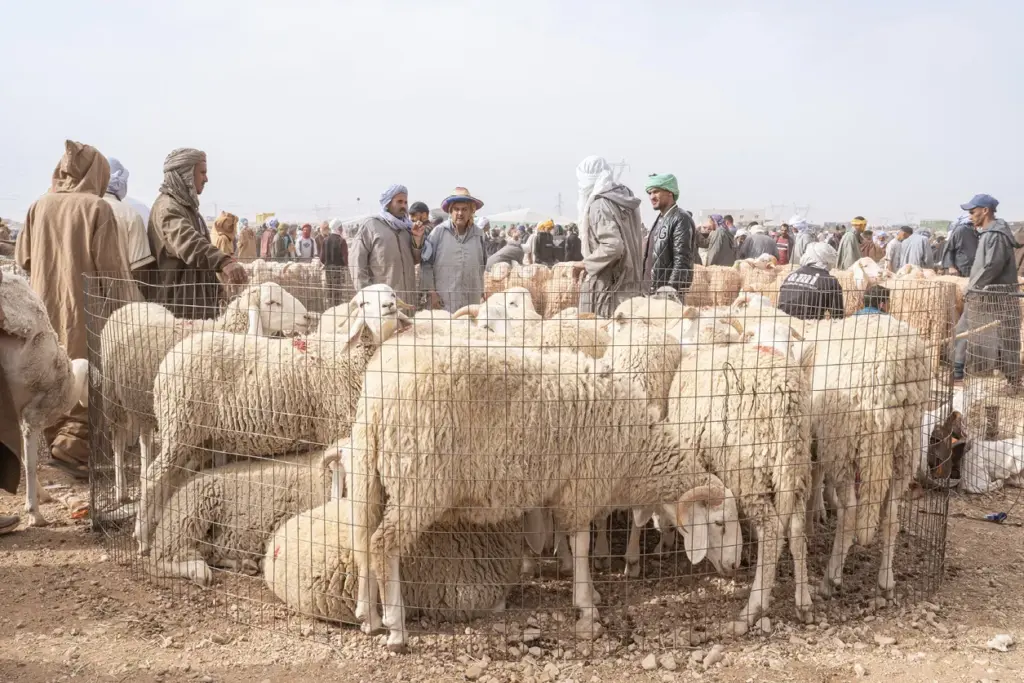
Breeders gather at the weekly livestock market in Ain Roumia. These are vital economic and social gatherings in the pastoral calendar.

يجتمع المربّون في السوق الأسبوعي في عين رومية للمواشي. تكتسب هذه التجمعات أهمية اقتصادية واجتماعيَّةً حيويَّة في التقويم الرعويٍّ

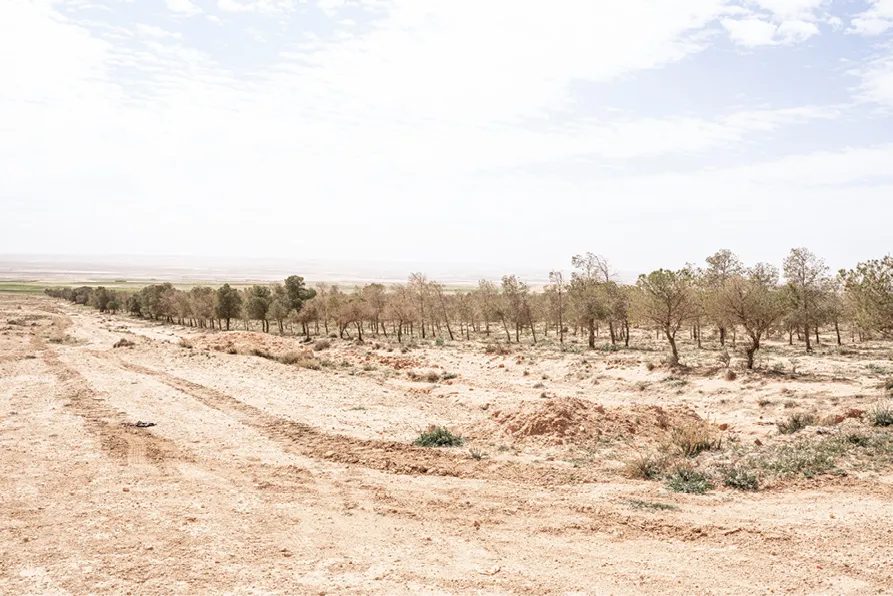
A row of pinus halepensis trees within one of the Green Dam reforestation zones in Laghouat province – working to protect the northern regions from desertification. They act as a barrier against desert winds and soil erosion.

خط من أشجار الصنوبر الحلبيّ في أحد مناطق السد الأخضر (الحزام الحرجيٍّ) في ولاية الأغواط والذي يعمل على حماية المناطق الشّمالية من التصحُّر إذ تعمل الأشجار كحاجز يصدّ الرياح الصحراوية ويحدّ من تعرية التربة

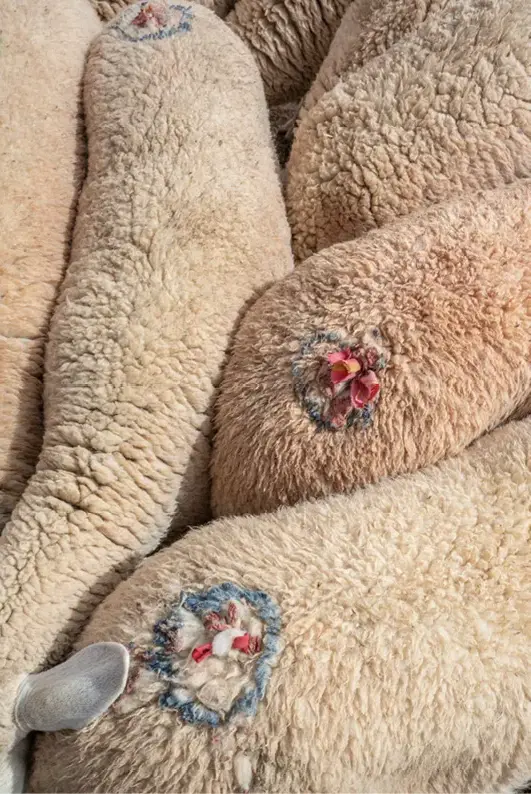
At the market, sheep are marked with red dye for identification.

في السوق، تُعلَّم الخِراف بصبغةٍ حمراءَ لتمييزها عن غيرها

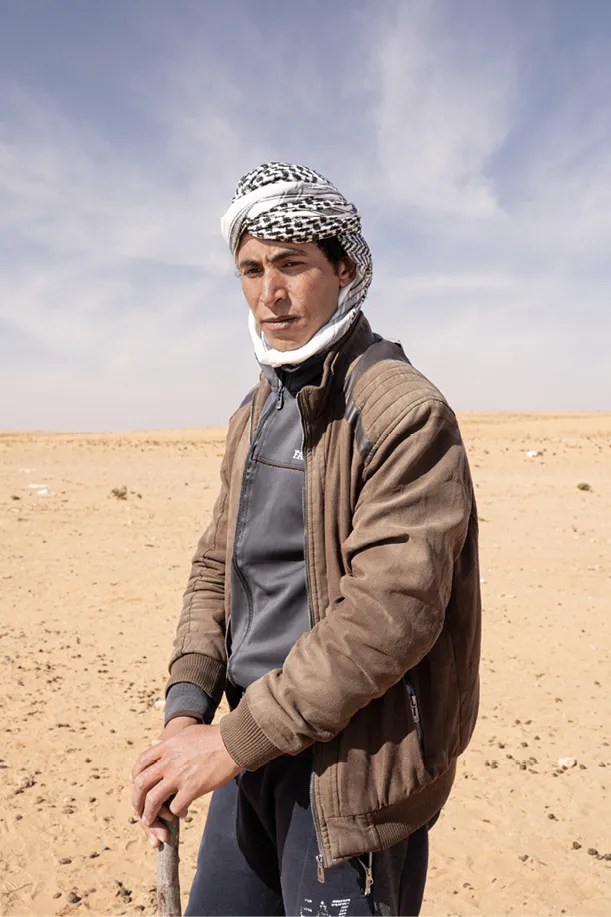
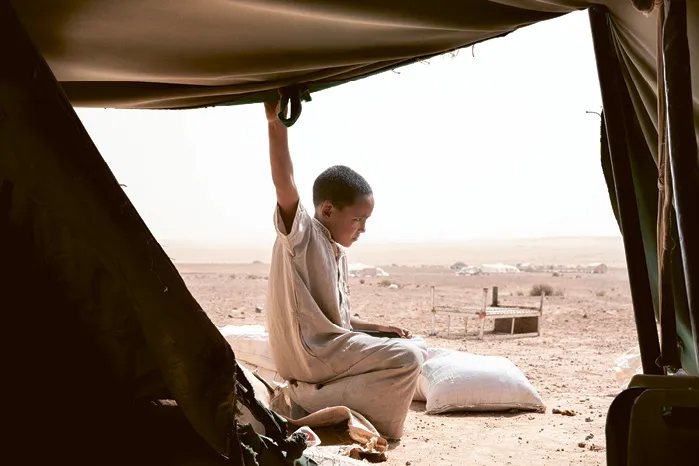
Moukhtar, like his father before him, is a shepherd. Even as life becomes harder to sustain on the steppe, he doesn't envision doing anything else.

.مختار هو راعٍ، كأبيه من قبله لا يتخيل أن يعمل في أي مجال آخر حتى مع زيادة صعوبة استدامة الحياة في الهضاب العليا

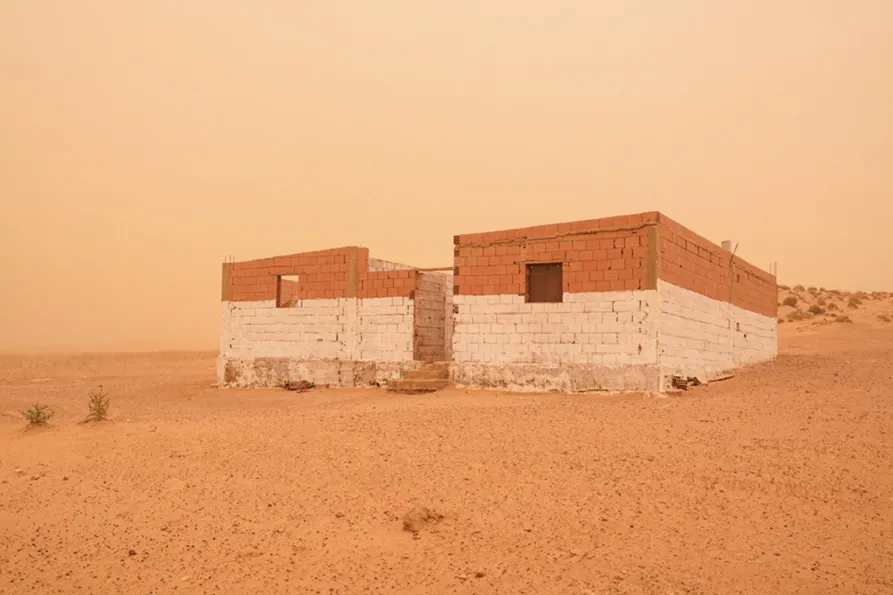
A brick house stands alone under an ochre sky during a sandstorm. As desertification spreads, many pastoral families build permanent homes on what used to be shared grazing land.

منزل من طوب يقف شامخاً تحت سماء مصف َرة خلال عاصفة غبار؛ فكلما زادت سرعة التص رحر زادت نسبة بناء المجتمعات الرعوية لبيوت دائمة فوق أرض عرفت بأنها أرض رعيٍّ مشّتركة.

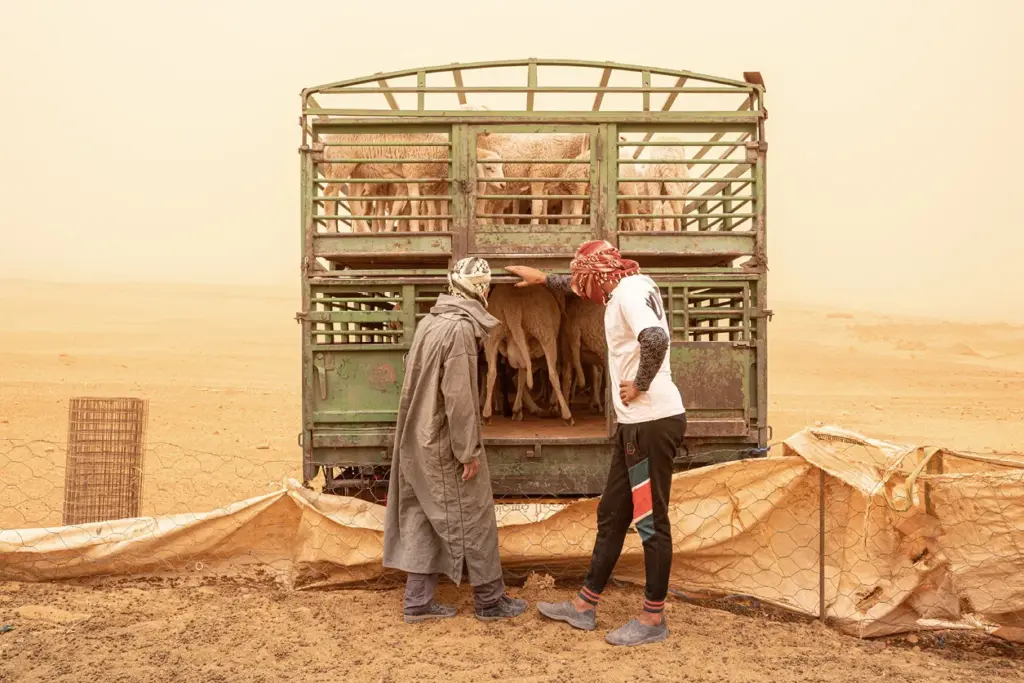
Lakhdar and his nephew load their sheep into a pickup truck amidst a developing sandstorm. Mechanised transport has become increasingly common, reshaping traditional patterns of seasonal mobility.

لخضر وابن أخيه يح رملان الغنم على الشاحنة الصغيرة في ظل تطور عاصفة الغبار. أصبحت وسائل النقل الميكانيكية شائعة بشّكل متزايد، مما أعاد تشكيل أنماط التنقل الموسمي التقليدية

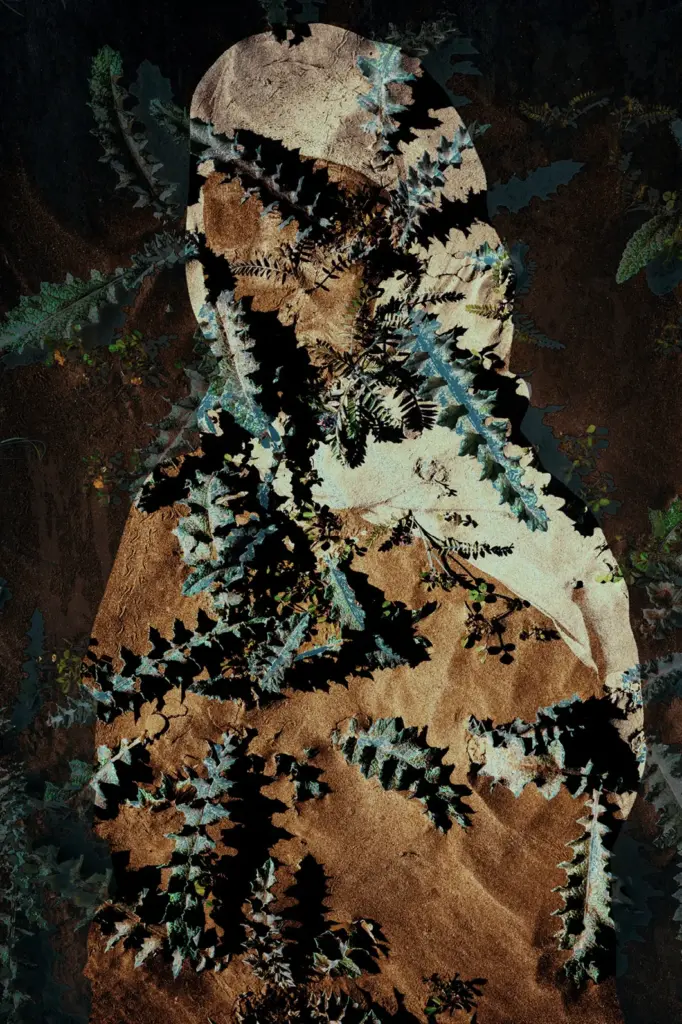
Scolymus hispanicus (golden thistle) is common on the steppe, particularly around Djelfa. The thistle’s spines serve as a defense against grazing animals and they become more prominent as heavy grazing pressure strips the land – making it a subtle marker of pastoral stress.

السنارية الإسبانية هي من النباتات الشائعة في الهضاب العليا و خاصةً بالقرب من الجلفة حيث تعمل أشواك السناريَّة الإسبانيَّة كوسيلةِ دفاعٍ لحمايتها من حيوانات الرعي، وتبرز بشّكل أكبر مع تجريد الأرض بفعل ضغط الرعيٍّ الجائر، مما يحولها إلى مؤشر خفي للإجهاد الرعويٍّ.

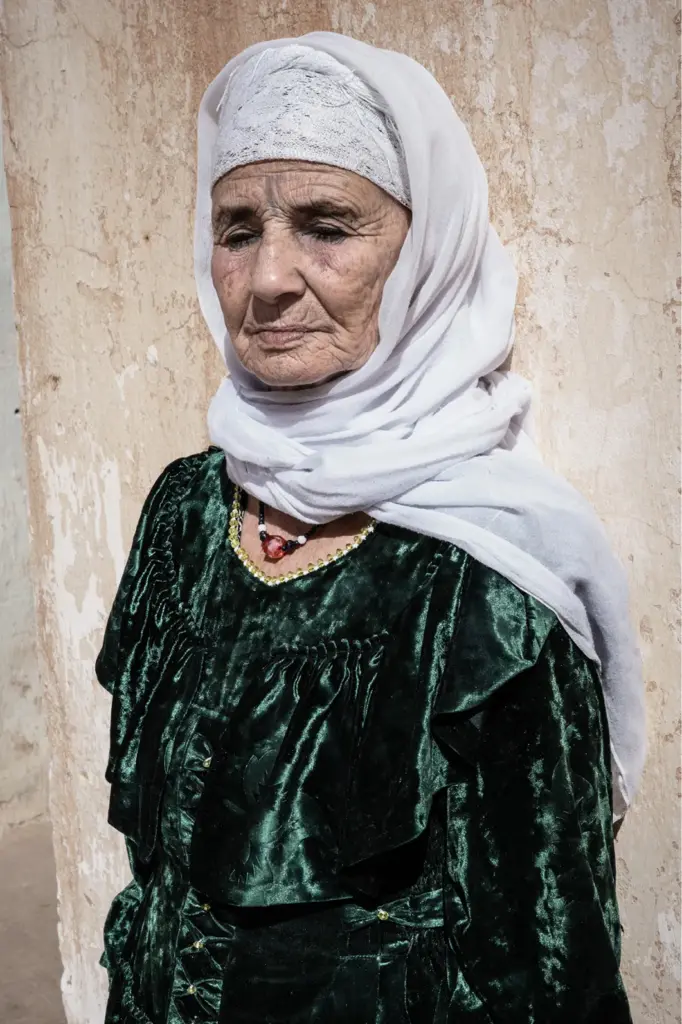
Madam Dahmoun remembers when the steppe was lush and abundant. For many years, her family were season pastoralists, practicing transhumance, but the effects of desertification and the desire for a more stable life have led the family to settle.

تتذكر مدام دهمون عندما كانت الهضاب العليا خصبة ووفيرة. كانت عائلتها رعوية موسمياً للعديد من السنوات وتمارس الإنتجاع. ولكن، أدّت آثار التصحّر والرغبة في حياة مستقرّة إلى استقرار عائلتها

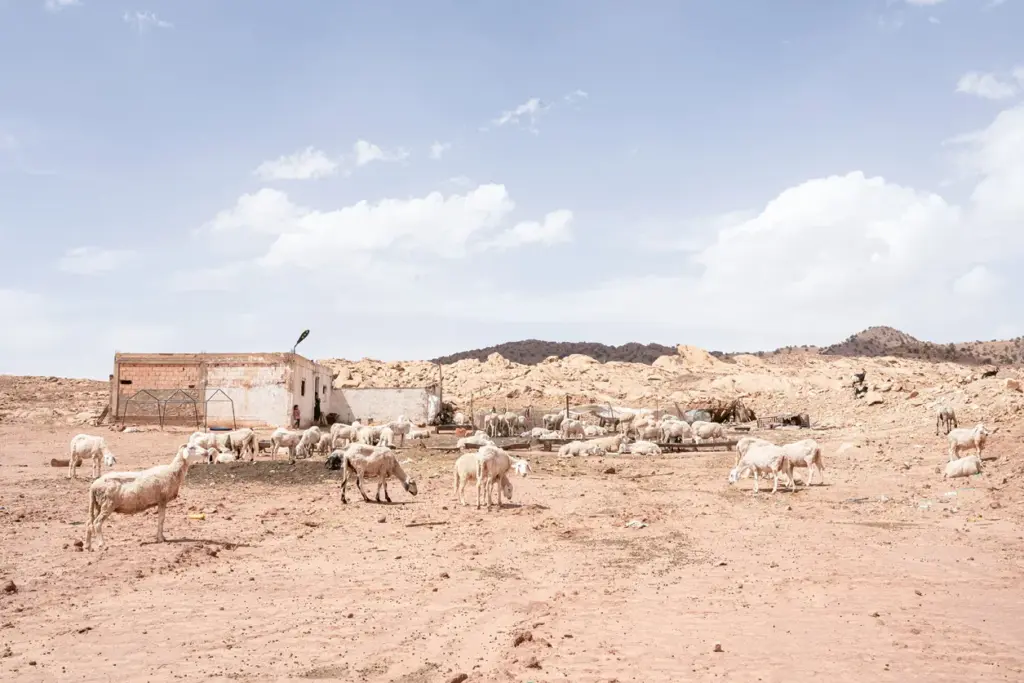
On a farm near Beni Yagoub in Djelfa, goats roam the dry, rocky steppe. Families are increasingly adopting a semi-settled lifestyle, establishing farms closer to urban centres.

في مزرعة قرب قرية بن يعقوب في ولاية الجلفة. تجوب الماعز الهضاب العليا الجافة والصخرية حيث بدأت العائلات تتبنى الحياة المستقرة جزئياً بشّكل متزايد، مما أدى إلى إنشّاء مزارع أقرب إلى المراكز الحضرية

لخرض وابن أخيه يحّمّالن الغنم عىل الشاحنة الصغرية يف ظل تطور عاصفة الغبار. أصبحت

وسائل النقل امليكانيكية شائعة بشكل متزايد، مام أعاد تشكيل أمناط التنقل املوسمي التقليدية.

لخرض وابن أخيه يحّمّالن الغنم عىل الشاحنة الصغرية يف ظل تطور عاصفة الغبار. أصبحت

وسائل النقل امليكانيكية شائعة بشكل متزايد، مام أعاد تشكيل أمناط التنقل املوسمي التقليدية.

Instead of clinging to an idealised past, we must focus on transforming the present. Only then can we safeguard both the land and the people who depend on it, so that the steppe remains viable for future generations.

بدلاً من التعلّق بالماضي المثالي، علينا التركيز على تحويل وتغيير الحاضر، عندها فقط يمكننا حماية كل من الأرض والناس المعتمدين عليها، بذلك تبقى الهضاب العليا قابلة للحياة للأجيال القادمة