The human cost of spiralling inflation and currency collapse
"How much is this today?" That's the question we all ask ourselves every time we go shopping. So what if you bought bread or milk yesterday and it was cheaper? That was then. This is today's price.
To be honest, if we see a price stay the same for a week, we get suspicious. This is the reality for people who are either unemployed or stuck in dead-end jobs. Most of them are university-educated – artists, craftspeople, professionals – people who spent the best years of their lives mastering skills they can no longer afford to use.
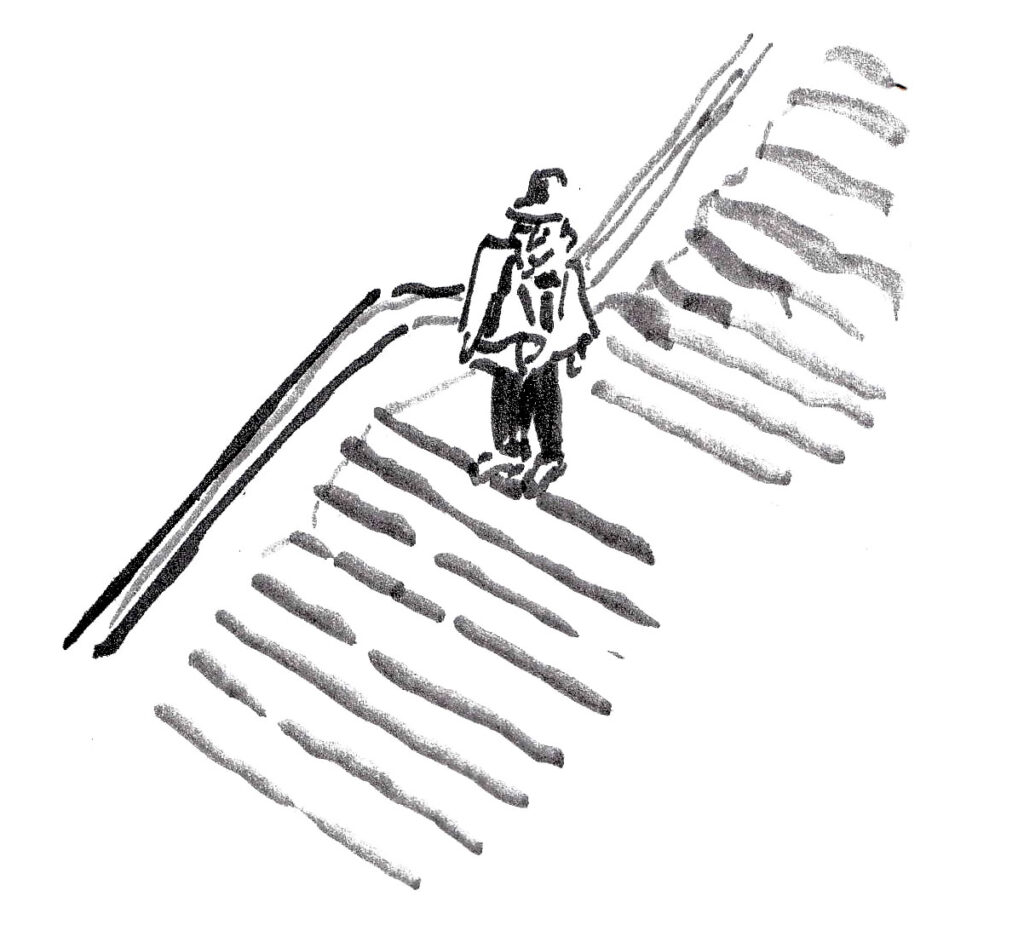
To understand what's happening to us, imagine you're in a vortex. You're spinning, watching the blurred world go by, desperately looking for a handhold to pull yourself away from the centre. Finding something to hold onto, you grab it, desperate to stop falling. Bad news: while you were busy securing your grip, the vortex grew. You haven't moved and your situation is worse than before.
In Iran, we have a common joke: "I fell and felt something break. Thank God it was my leg and not my phone!" Yes, it's irrational. Your body should be more precious than a gadget. But the grim reality is that the cost of medical care is no joke either. This dark humour serves to alleviate the stress caused by soaring inflation, plummeting exchange rates, and the ridiculous heights the price of a phone has climbed to. You could ask: "What is the exchange rate in Iran?" And someone would reply, "Now? Or now? Or... now?!"
The way the number rises is a strange story. Hold your hand at waist-height: imagine the rate is here today. Tomorrow, it hits your chest; everything gets more expensive. Then, it drops slightly to your stomach, but prices don't budge. The market says: "This inventory was bought at the previous price." Next time the rate hits your chest again, everything jumps even higher.
You might think a high exchange rate is at least a windfall for those with foreign clients. In an ordinary world, yes – it's a way to keep your head bobbing above water. But here we're locked inside our own borders. Our country is a giant prison where citizens are barred from global financial transactions. Why? Because politicians with puffed-out chests decided to squeeze us so they wouldn't feel the pressure themselves.