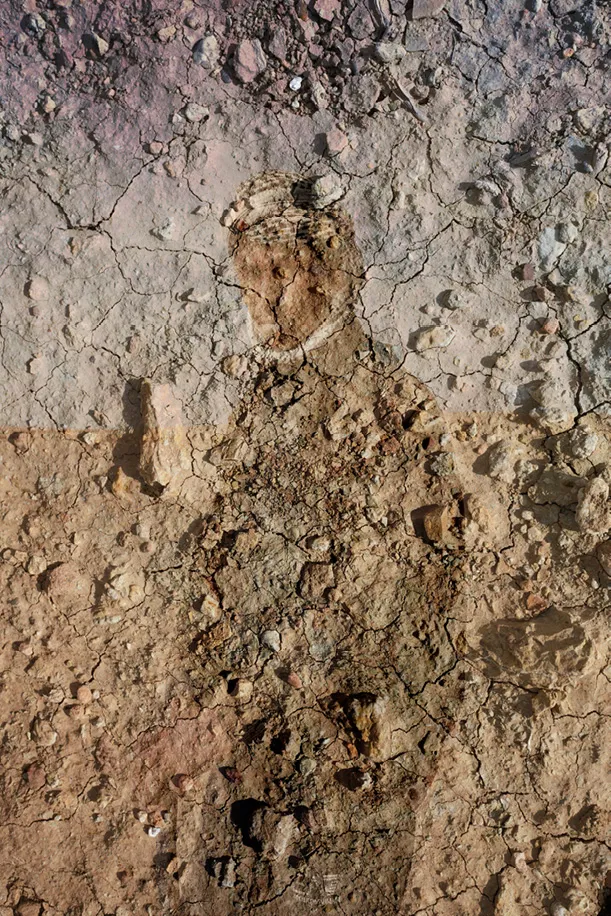
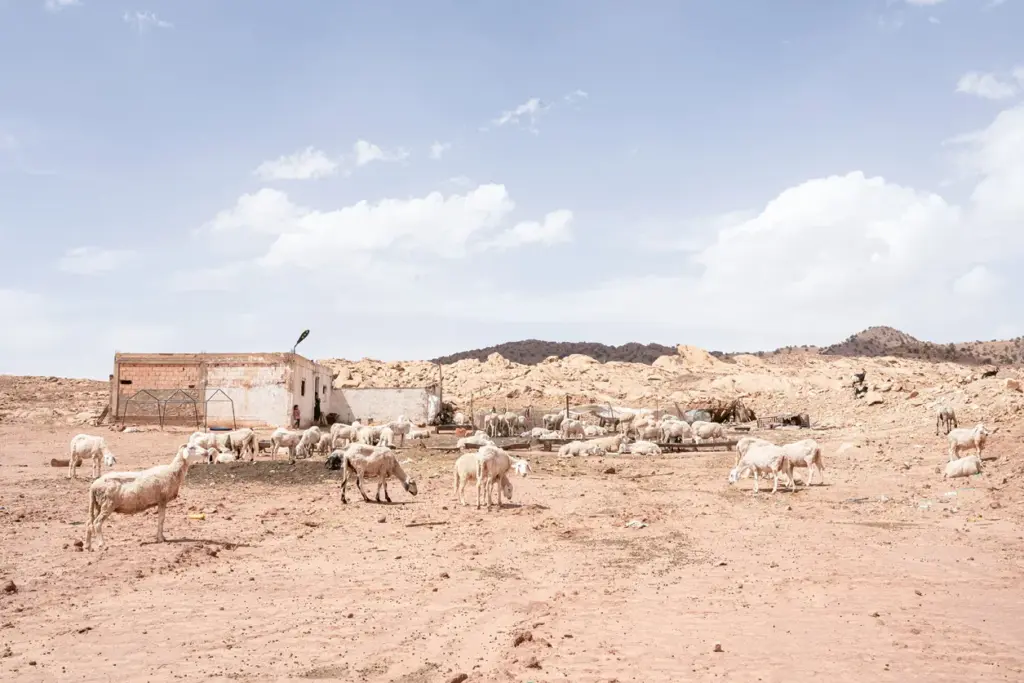
Between the Mediterranean and the Sahara Desert, the Algerian steppe unfolds as a unique and vital ecosystem. Stretching across more than 32 million hectares, this semi-arid territory is home to pastoral communities whose lives have long been shaped by the rhythms of the land. Yet today, this fragile landscape is undergoing profound ecological transformation.
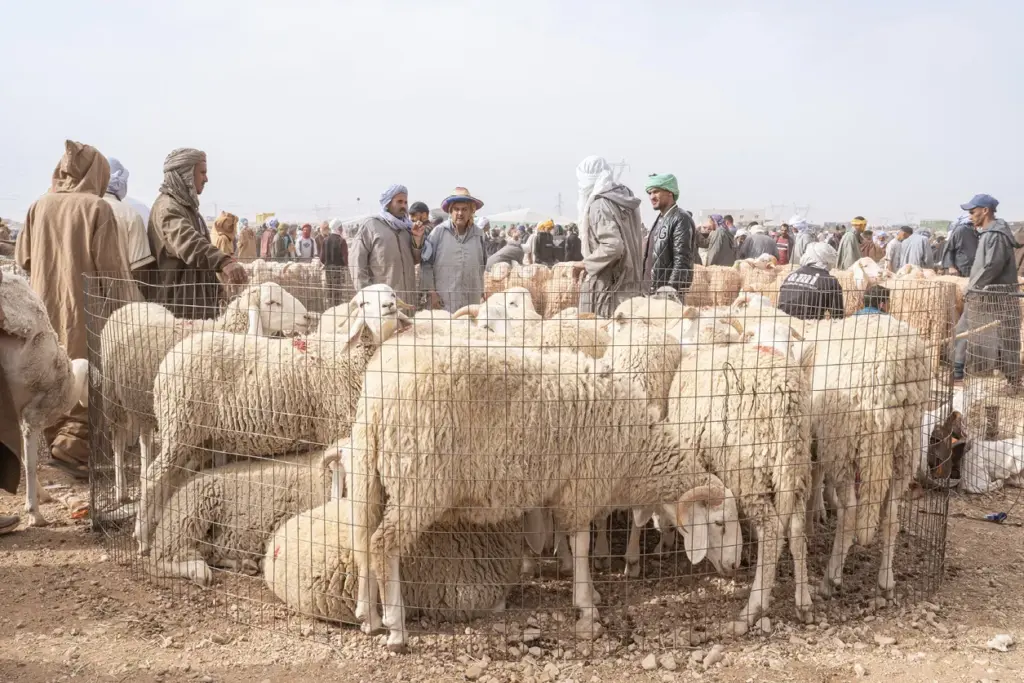
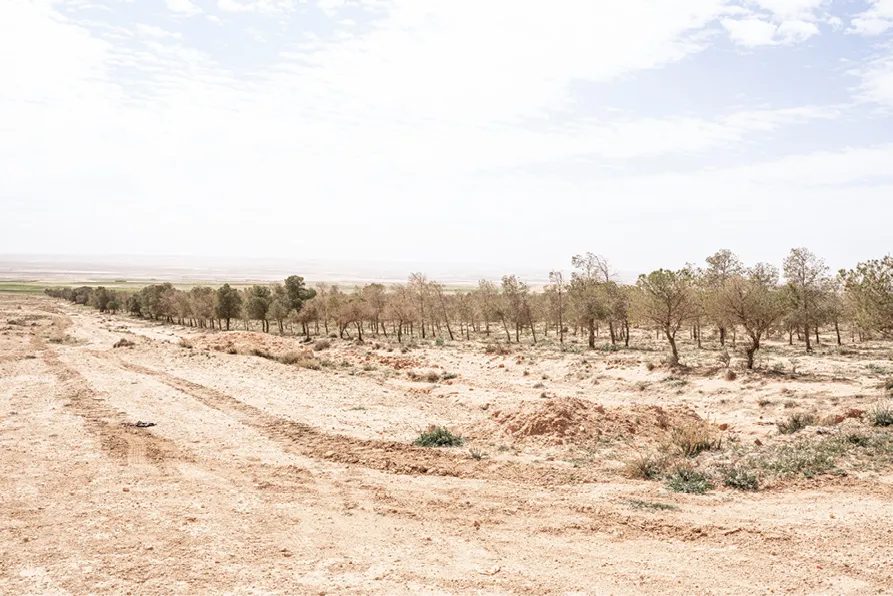
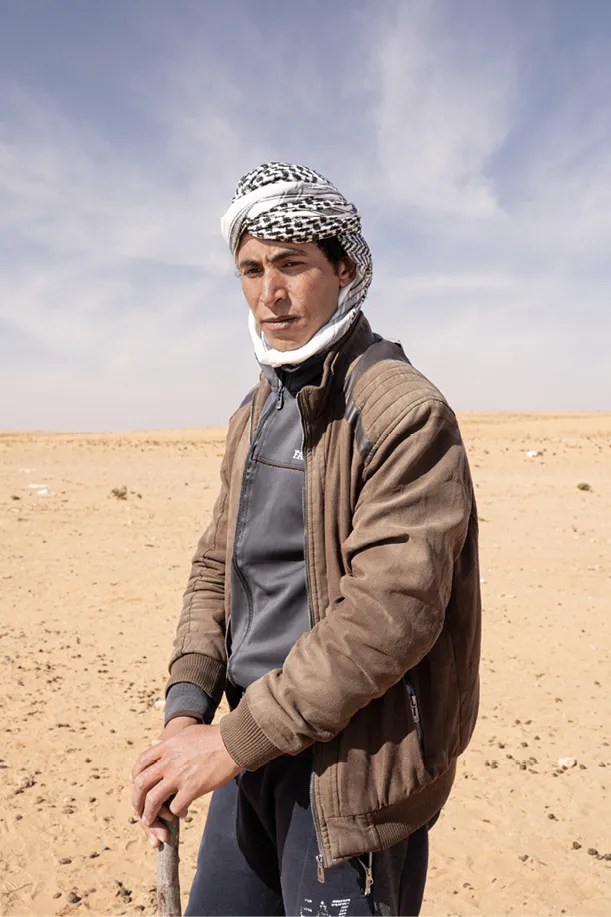
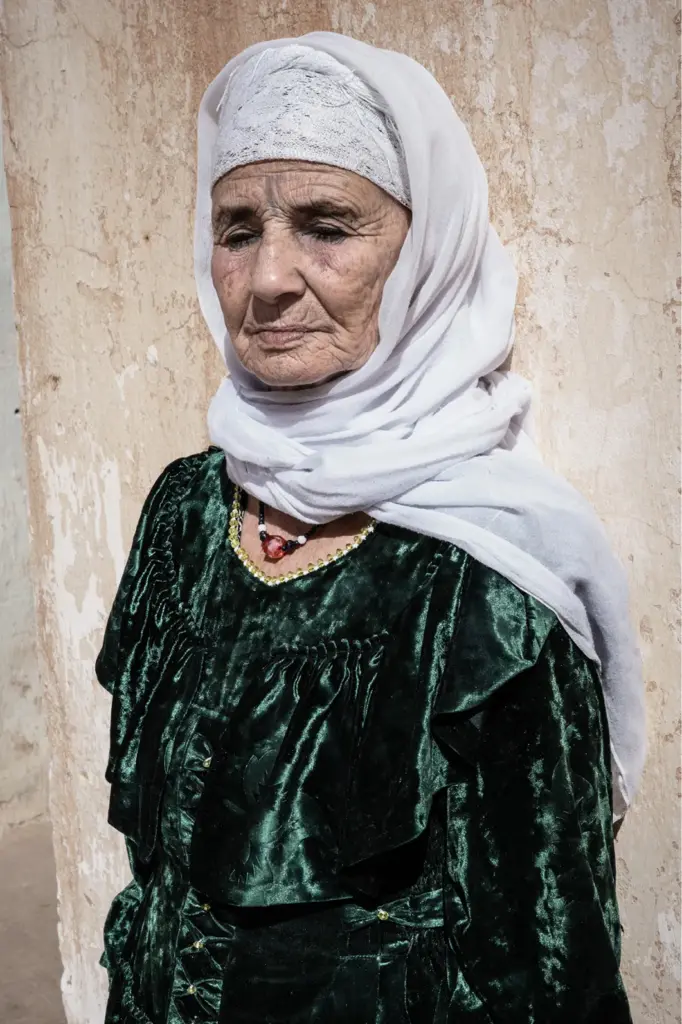
In Laghouat and Djelfa, two neighbouring steppe provinces in northern Algeria, desertification is quietly reshaping the land and the herders – those who live on it, protect it, and adapt to it – who give voice to this crisis. Djefla sits at the heart of the steppe and is marked by the Green Dam reforestation belt, whilst Laghouat, just to the south, is known as the gateway to the desert, where the steppe vegetation thins out, announcing the Saharan landscape beyond.

ما بين البحر الأبيض المتوسط والصحراء الكبرى، تتواجد الهضاب العليا (السهوب) الجزائرية كنظام بيئيٍّ حيويٍّ ومميزٍّ ممتدًّا على مساحة تزيد عن ٣٢ مليون هكتار و هذا الإقليم شبه القاحل هو موطنٌ للعديد من أفراد المجتمعات الرعوية التي تكيَّفت حياتها مع تعاقب الفصول وتغيّرات الطبيعة عبر السنين إلا أن هذه التضاريس الهَشّة تمرُّ بتحوّل بيئي عميق
في الأغواط والجلفة، ولايتان متجاورتان للهضاب العليا في شمال الجزائر، بدأ التصحّر بإعادة تشكيل الأرض و سبل عيش الرعاة القاطنين فيها ويعملون على حمايتها والتأقلم معها لا سيَّما أنهم هُم مَن سلّطوا الضوء على هذه الأزمة إذ تقع الجلفة في قلب الهضاب العليا محددة بالسد الأخضر (الحزام الحرجي)، بينما تقع الأغواط في الجنوب، في منطقة معروفة ببوابة الصحراء حيث يقلّ الغطاء النباتي للهضاب العليا شيئاً فشيئاً، مما يحدد بداية طبيعة الهضاب العليا وما بعدها
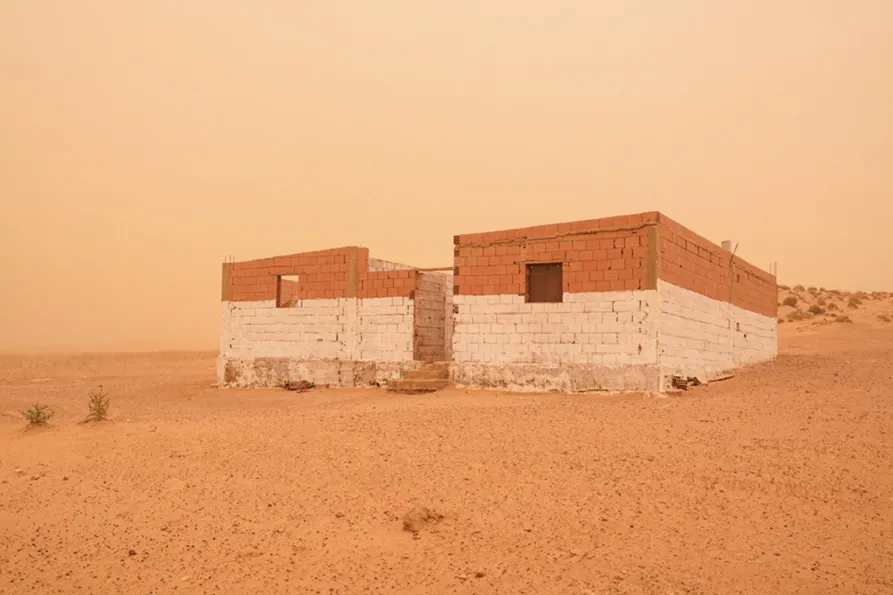
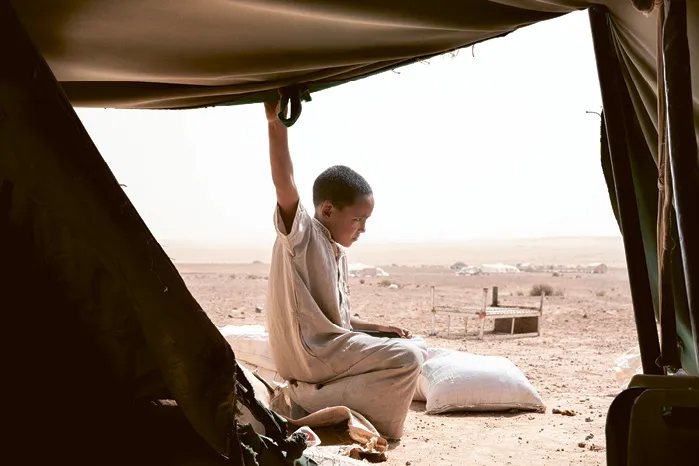
Desertification – the persistent degradation of arid ecosystems – is a tangible reality here, fueled by droughts, overgrazing, wind and water erosion, and often unsustainable agricultural practices. Herders are increasingly pushed to abandon their nomadic life and settle permanently, threatening the delicate balance between land, society, and economy.
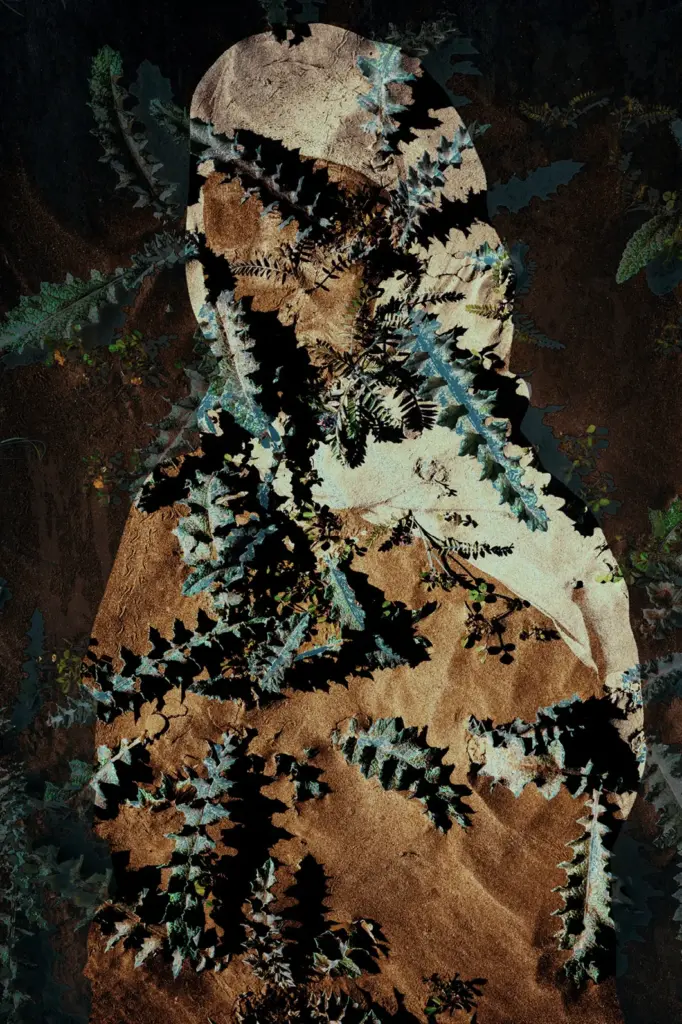
The challenges of desertification go far beyond ecology. They cause us to question our ways of life, our relationship with the land, and the narratives we weave around our identity. This process of reflection allowed me to take a deeper look at how our Algerian society functions, question our shared responsibilities and the solutions we are capable of imagining for a sustainable future. How will people adapt to an environmental crisis that endangers their way of life and a millennia-old relationship between people and land?
ا لتصحّر، التدهور المستمر للأنظمة البيئية القاحلة، هو حقيقة ملموسة هنا، يزيد من حدّته كل من الجفاف والرعي الجائر و التعريّة بفعل الرياح والمياه، إضافةً إلى الممارسات الزراعية غير المستدامة وذلك يدفع الرعاة يوماًا بعد يوم إلى ترك حياة البدو والاستقرار الدائم، مما قد يهدد التوازن الدقيق بين الأرض والمجتمع والاقتصاد
لم تقتصر تحّد ّيات التصحّر على البيئة فحّسب؛ فقد جعلتنا نف ّكّر بأساليب حياتنا وعلاقتنا مع الأرض والروايات التي ننسجها حول هويتنا. وبعد تفكّير عميق، بدأنا بالبحث أكثر وأكثر عن آلية عمل المجتمع الجزائري والتفكّير في مسؤولياتنا المشتركة والحّلول التي يمكن أن نتخيّلها لمستقبل والسؤال: كيف يتأقلم الناس مع أزمة بيئية تهدد حياتهم وعلاقة دامت لآلاف السنين ما بين الناس والأرض؟
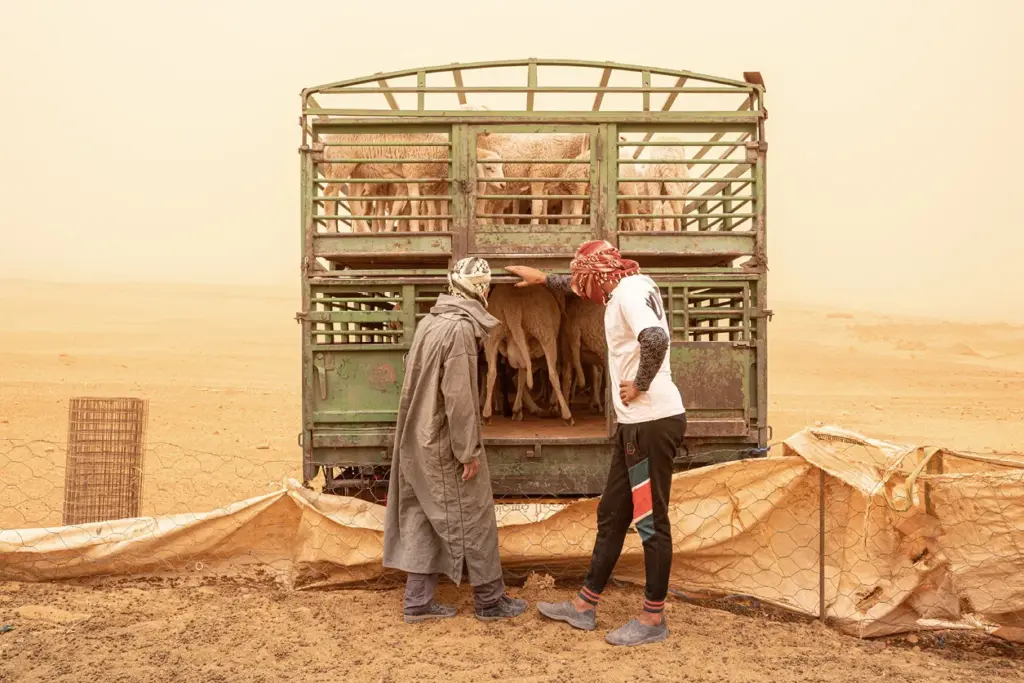
وسائل النقل امليكانيكية شائعة بشكل متزايد، مام أعاد تشكيل أمناط التنقل املوسمي التقليدية.