The Kashmiri town where conversation has learned to walk on the tips of its toes
Since the April 2025 Pahalgam massacre in Indian-administered Kashmir, when unidentified gunmen tore through a popular tourist meadow, killing 26 and leaving more than 20 others injured, an invisible weight has settled over the town. It is heavier than grief, and dictated by fear. Words are now treated like dangerous objects.
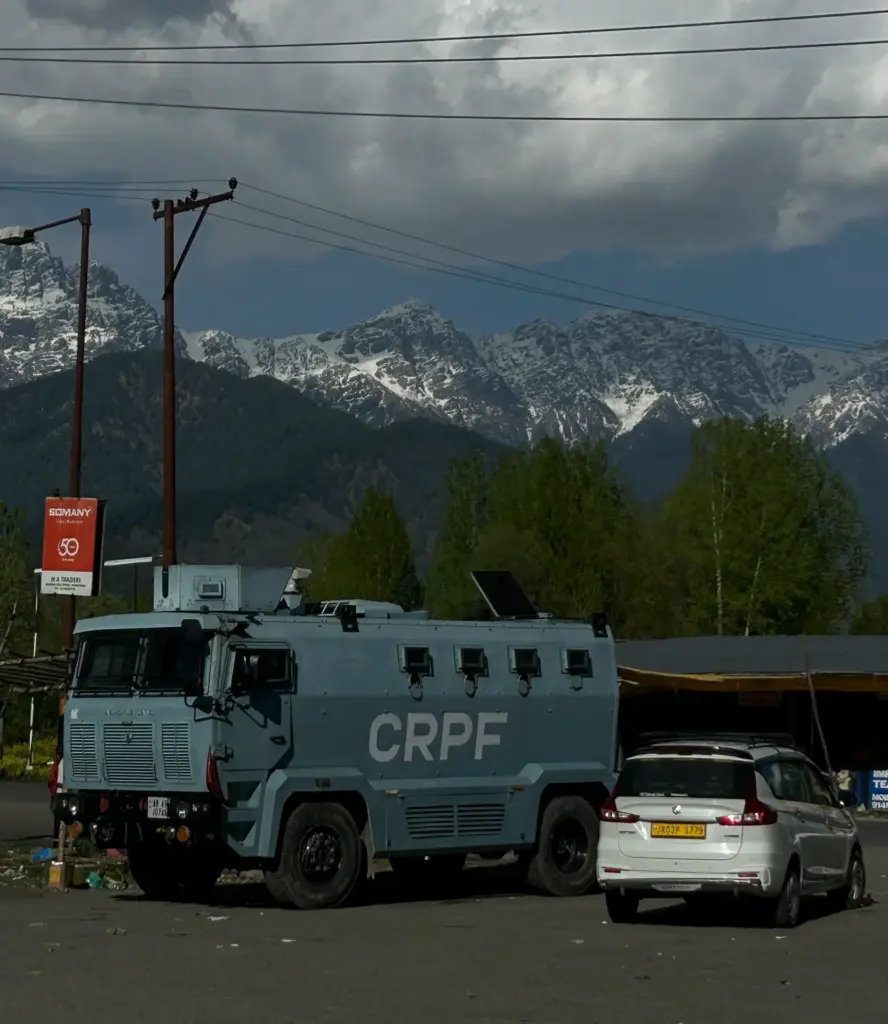
Within days of the attack, a belief took hold amongst locals, particularly those working in the tourism industry, that the authorities were listening in to their every phone call, message and forwarded video clip. Whether this was precisely true or not didn’t matter. Kashmir remains one of the most heavily militarised regions in the world. Locals are used to disproportionate suspicion and scrutiny from the authorities. But now, instead of holding the perpetrators of the attack to account, the security apparatus has ended up brutalising the very people they are supposed to protect.
In Kashmir, politics used to sit at the dinner table like an extra family member. Now, silence has taken its place. Kashmiris have a saying:ژھوپہ چھئے روپہ سنز (cxoppe chei ropph senz) – “silence is gold”. Elders say it with a shrug, casually, as if talking about the weather. After centuries of occupation and colonisation, the phrase means that speaking carries a cost.
Today, silence has become part of Kashmir’s infrastructure. It organises daily life. Friends who once argued loudly about politics, current affairs and civil rights now discuss mundanities like the weather. The Indian state portrays Kashmir as an integral part of its territory – a “paradise on Earth”. Kashmiris who support self-determination have always contested this position; but that conversation has now slipped underground.
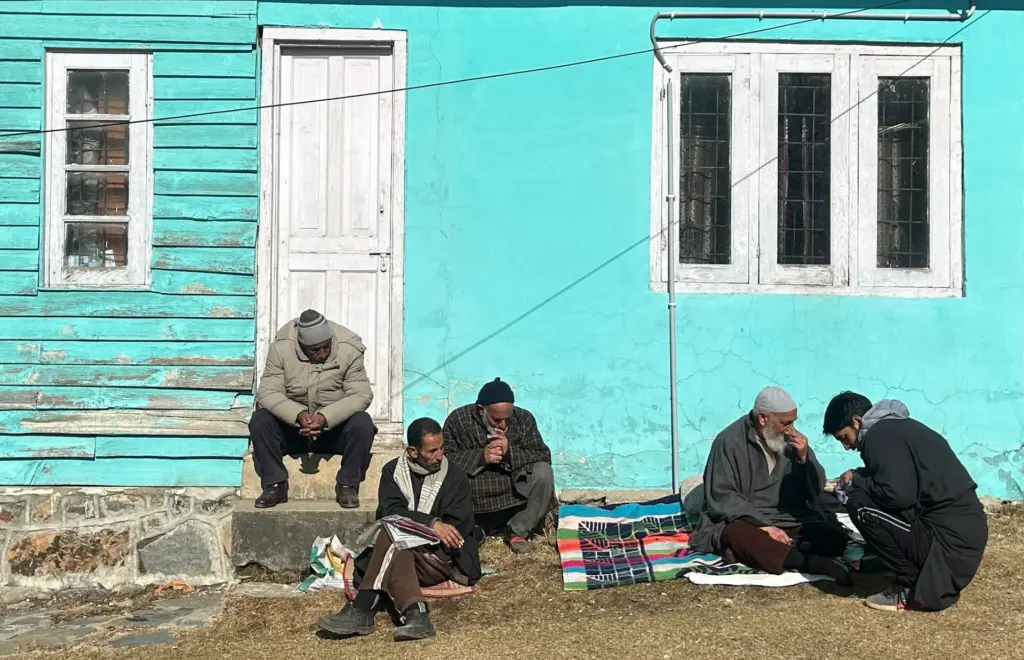
You can see the change in the markets. A group of men will sit for hours, drinking tea and smoking cigarettes. They speak in a shorthand of glances. A sentence begins, then dissolves into a cough. Someone changes the topic abruptly. Everyone understands why. Meaning is now exchanged through posture: a nod held half a second longer than normal, eyes that meet and then dart away, a pause that says more than any noun could. Emotions travel through bodies instead of words.
In Kashmir, we have a word for the older version of this whisper network: دپآن dapaan, which literally means “they say”. Every rumour, emerging fact, and piece of neighbourhood intelligence begins here.
دپآن اوڈء گئے فائیرنگ (Dapaan oed gai firing) They say there was firing. دپآن سہٗ گوو شہید (Dapaan su gov shaheed)They say he was martyred. دپآن جنگ گئسی (Dapaan jung gassi) They say war is coming. For generations, dapaan moved faster than newspapers. But now even this floating speech feels risky – what once counted as everyday street talk increasingly happens in the shadows. We have adapted to the new situation. The safest conversations now happen in your closest circle; phones switched off and placed face down like sleeping animals. Someone will quietly say کھٌے کتھ khe katth.
کھٌے کتھ  khe katth: literally means to “eat conversation” in Kashmiri. However, a Kashmiri speaker would understand it contextually as an indirect way of saying “change the topic” or “just move on,” depending on the situation.

These small rituals are our ways of surviving the weight of surveillance. They are a measure of trust between us.
Ironically, Pahalgam itself has not gone quiet; we are constantly surrounded by the noise of traffic, construction, tourist marketing and state-sponsored TV programs and shows depicting what they call “peace”. Visitors see a bustling town busy selling beauty. But underneath, we are exhausted. Living as two versions of yourself, public and private, requires codeswitching. “Better death than this kind of life, my dear” is a popular internet meme here. It might seem dramatic, but such apparent hyperbole is one of the few safe outlets left. Humour and satire survive where direct speech cannot. And yet, conversation refuses to die absolutely. It mutates. Kashmir has always stored its resistance in language in various ways: in nicknames, poems, folk stories and jokes that only work in Kashmiri dialect. The local tongue thus becomes a maze outsiders can’t navigate. Perhaps that is why speaking it feels like home in a way geographical coordinates alone cannot.
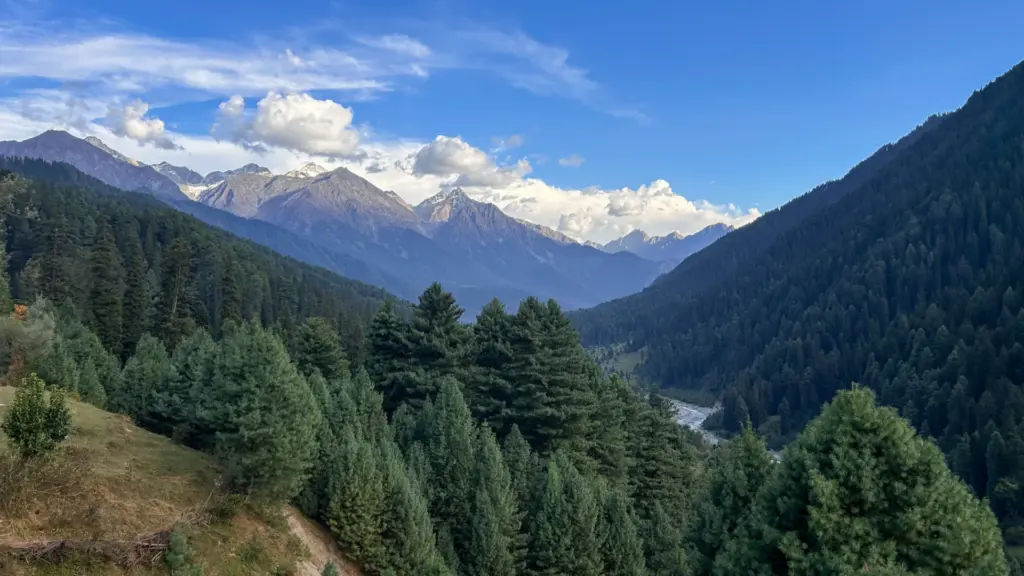
When the plain, straightforward use of words feels dangerous, dialect, body language and gesture continue to carry our culture and our meaning in a different way.
Silence, for once, is not the only gold available.
The author uses the pseudonym Django