In Mauritania’s far southeast, a refugee camp of nearly 300,000 people has become both sanctuary and buffer zone between Mali’s collapse and Europe’s borders
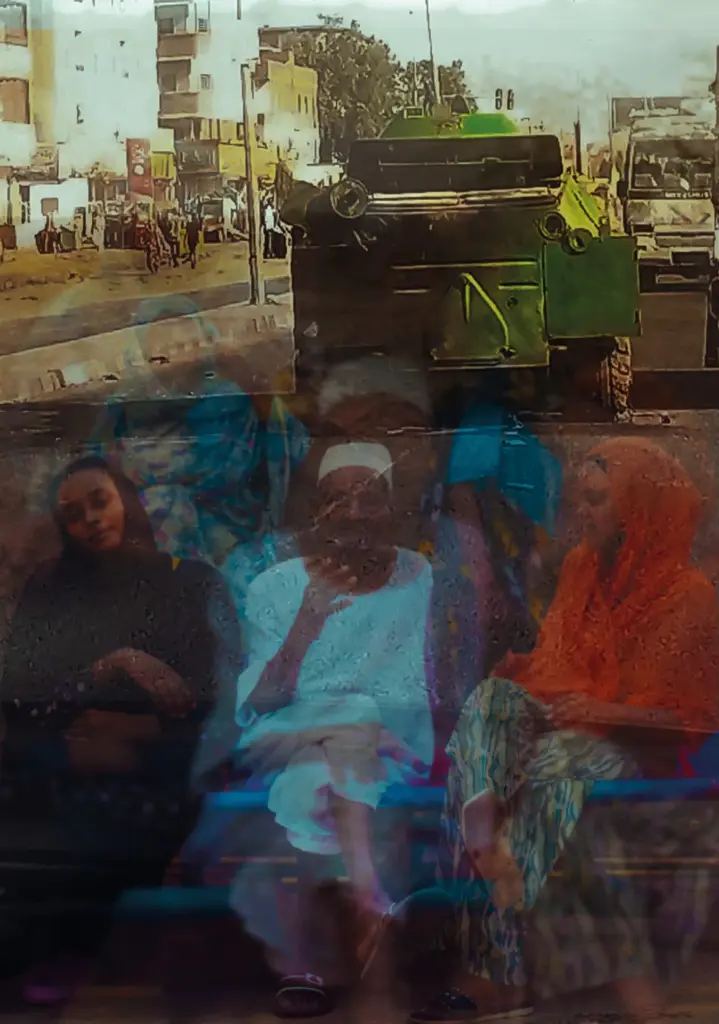
Reporting from the edge of the Sahara, journalist Martín Mucha in El Mundo traces the humanitarian catastrophe unfolding in Mbera, a refugee camp in southeastern Mauritania that now resembles a city. Built among dunes just kilometres from the Malian border, it shelters families fleeing a country crumbling under jihadist siege and geopolitical neglect.
Around 136,000 people live inside the camp, with another 154,000 or more scattered in surrounding settlements. If counted as a city, it would be among Mauritania’s most populous, second only to the capital, Nouakchott.
They arrive from a Mali described as “bleeding itself dry.” The jihadist coalition JNIM, linked to Al Qaeda, has tightened its grip, blockading fuel and isolating Bamako. Russian mercenary forces, successors to the Wagner Group under the rebranded Africa Corps, add another layer of violence. Civilians are caught between rival armed actors, their villages emptied by executions, rape, mutilation and extortion. “One day some killed part of my family; then others came and finished off the rest,” one woman recounts. Another, whose husband was executed, stares at the floor as if willing him back to life.
Despite its harshness, Mbera offers relative safety. It has eight schools, four health centres, a market of 500 stalls, banks, hair salons, and even high-speed internet via Starlink. UN agencies are planning its transformation into a permanent city, with roads, electricity grids and improved water systems. For some long-term residents, it already is home. For others, it is a pause.
That pause is politically charged. “If Mbera didn’t exist, the newcomers would go straight to the coast, trying to reach Europe,” a tribal leader tells Mucha. Mauritania, sparsely populated and strategically positioned, has become a buffer state. The European Union, represented by Ambassador Joaquín Tasso Vilallonga, openly supports Nouakchott with funding aimed at stabilising refugee flows, strengthening vocational training, and combating trafficking. The policy has had measurable impact: arrivals to the Canary Islands via the Western African route have dropped sharply compared with previous peaks.
Mauritania’s president, Mohamed Ould El Ghazouani, praised in Western capitals for keeping jihadist movements at bay, governs with a firm hand in a country where corruption remains endemic. Spain and the EU have funded detention centres for migrants and invested hundreds of millions of euros in migration control infrastructure. Human rights organisations question the trade-offs, while Spain’s domestic political partners demand transparency.
Migration, Mucha suggests, is driven by more than hunger or bullets. Social media fuels dreams of an El Dorado abroad. TikTok and WhatsApp circulate filtered visions of Europe, shaping aspirations among young refugees. The story of a 22-year-old Mauritanian man hospitalised after his emigration attempt failed underscores the psychological toll of dashed hopes. In Mali, influencers themselves become targets; one content creator with 150,000 followers was executed by jihadists in Timbuktu.
Mucha’s six days end with departure at dawn, planes shrinking on the horizon. Mbera stands as a barrier between civil war and Europe’s shores.
The original article by Martin Mucha, ‘Entramos en Mbera, el superpoblado campo de refugiados en medio del desierto que va camino de ser metrópoli: “Huimos escapando de la muerte, las violaciones y la deshonra”’ was published in Spanish on November 15, 2025, on El Mundo.
It available here.
El Mundo is a major Spanish national daily newspaper based in Madrid, Spain.
Summary by ZN