Nishita Jha reflects on two powerful poems as millions of people take to the streets in India and beyond
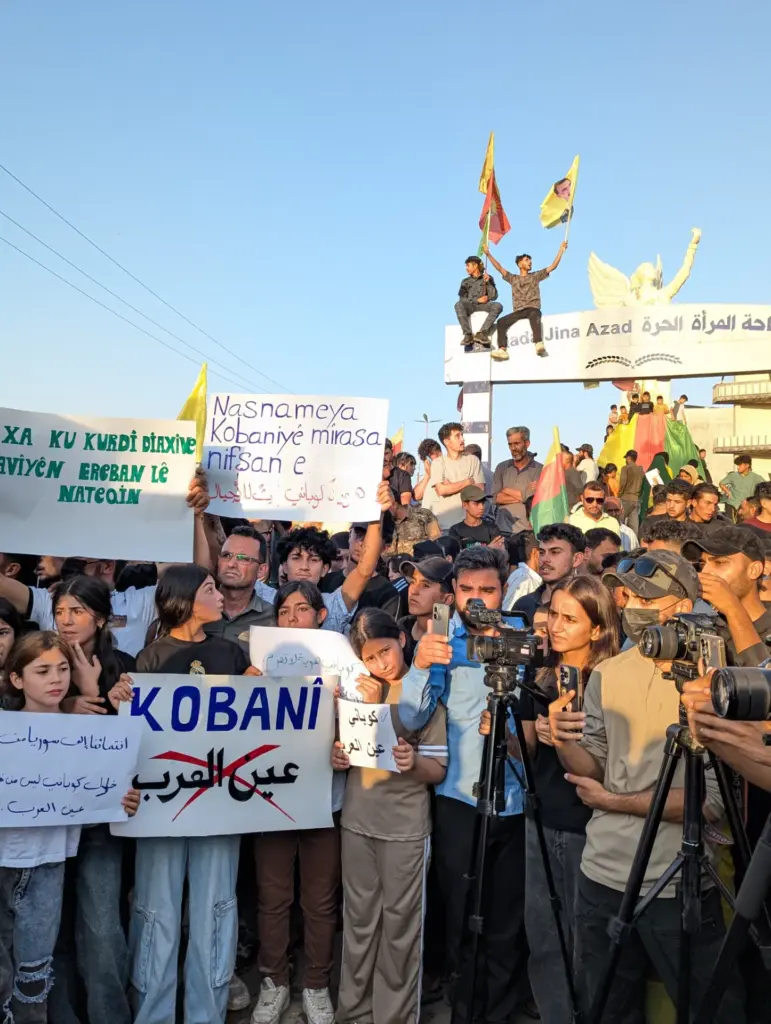
The last year has seen popular protests across Nepal, Indonesia, Philippines, Madagascar, Morocco, Peru, France, Italy, Germany, Spain and back home in India. Seeing the incredible visuals and humour from these “Gen-Z” protests as they’ve been described, I was reminded of my own first protest march in Delhi in 2012. As is often the case in my country, it was a protest against a horrifying incident of sexual violence and all the factors that enable it: unsafe public transport, social stigma, poor policing, a judicial process that deters survivors from reporting sexual attacks. We should have been afraid, but on the frontlines of that march and hundreds of others after it, I saw women take the lead: raising slogans, singing protest songs, organizing crowds and fighting off the police. I remember a Kishwar Naheed poem frequently recited at marches and appearing on posters.
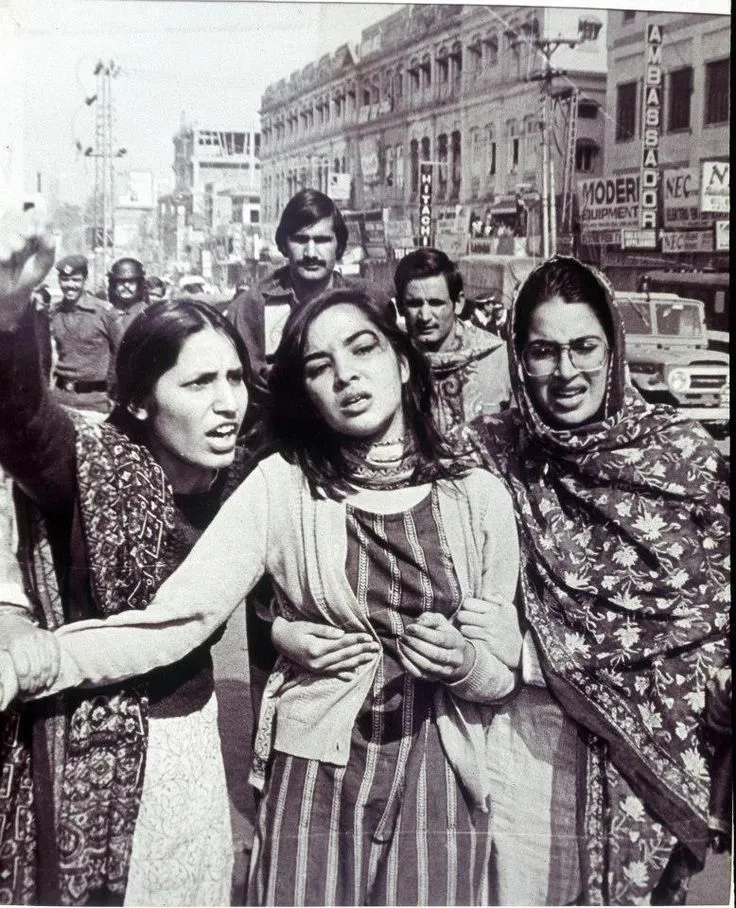
“Yeh Hum Gunahgar Aurtein Hain” (“We Sinful Women”) was written in Urdu in 1983 in response to the historic women’s street protest on February 12, 1983, in Lahore, Pakistan. The protest was in response to Pakistan’s then-President, General Zia Ul-Haque’s attack on women’s rights. Under the Hudood Ordinance, rape survivors would be believed only if they could produce four pious Muslim male witnesses, otherwise they would be punished for being “sinful”, or for consensual adultery. In financial and general legal matters, the testimony of two women was considered equal to that of one man.
The second poem, one of my all time favourites was written in Hindi by Amir Aziz in Delhi in 2020, when student protestors in the city were subjected to brutal violence by a mob of around 50 masked and armed goons, who stormed the university campus and attacked students whom they believed had protested against the BJP government. You can watch Pink Floyd’s Roger Waters recite the poem in English at a gathering demanding the release of Wikileaks founder Julian Assange in London that same year.
In 2026, protestors across India are being assaulted yet again, and this time, the goons are no longer masked. Student protestors, journalists, lawyers, political leaders protesting against the BJP government have been assaulted and arbitrarily detained by police officers in the past months. At the heart of these latest protests are reports that tens of millions of voters in India have been deleted from the electoral lists and lost their right to vote; many say this is a deliberate oversight that has led to the BJP’s election wins for the past 12 years.
Yeh Hum Gunahgar Aurtain Hain / We Sinful Women
yeh hum gunahgar aurtain hain / we are the sinful women
jo ahl-e-jubba ki tamkanat se na roab khaen / who are not awed by the authority of those dressed in robes
na jaan bechen / we do not sell our lives
na sar jhukaen / we do not bow our heads
na haath joden/ we do not fold our hands in submission
yeh hum gunahgar aurtain hai/ we are the sinful women
ki jin ke jismon ki fasl bechen jo log/and those who sell the harvest of our bodies
vo sarfaraz thahren/are exalted
niyabat-e-imtiya thahren/appointed to distinguished pisitions
vo davar-e-ahl-e-saaz thahren/as princes/judges of the material world
yeh hum gunahgar aurtain hai/we are the sinful women
ki sach ka parcham utha ke niklen/who carry the flag of truth
to jhuut se shahrahen ati mile hain/against the highways of lies
har ek dahliz pe sazaon ki dastanen rakhi mile hain/ at every threshold we find stories of (our) persecution
jo bol sakti thi vo zabanen katti mile hain/the severed tongues of those who dare speak
yeh hum gunahgar aurtain hai/ we are the sinful women
ki ab taaqub mein raat bi aaye/and even if night falls in our pursuit
toh yeh aankhen nahi bujhegi/our eyes will not be dimmed
ki ab jo devar gir chuki hain/and now that the walls have fallen
use uthane ki zid na kare/do not insist that they be raised once more
yeh hum gunahgar aurtain hai/we are the sinful women
jo ahl-e-jubba ki tamkanat se na roab khaen/who are not awed by the authority of those dressed in robes
na jaan bechen/ who do not sell our lives
na sar jhukaen na haath joden/who do not fold our hands in submission
Sab Yaad Rakha Jayega / We Will Remember Everything
Kill us, we will become ghosts and write
of your killings, with all the evidence.
You write jokes in court;
We will write ‘justice’ on the walls.
We will speak so loudly that even the deaf will hear.
We will write so clearly that even the blind will read.
You write ‘black lotus’;
We will write ‘red rose’.
You write ‘injustice’ on the earth;
We will write ‘revolution’ in the sky.
Everything will be remembered;
Everything recorded
So curses may be sent to you;
So your faces may be smeared;
Your names and your faces will be remembered;
Everything will be remembered;
Everything recorded.
Summarised by contributing editor Nishita Jha
Banner image of women protesting in Lahore, Pakistan in 1983. Credit: ASAP History