Gentrification in the popular Seochon neighbourhood is driving up prices at the expense of preserving cultural heritage
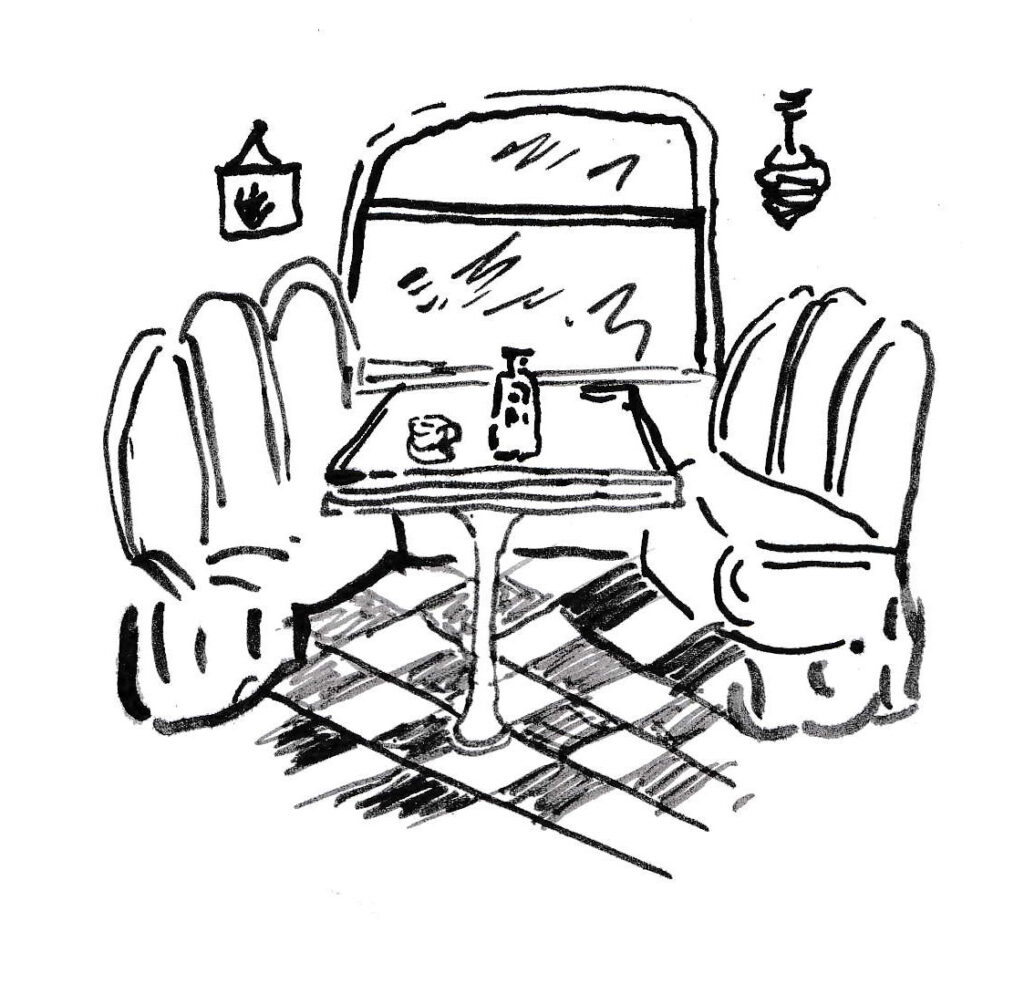
In 2024, Han Kang became the first South Korean and Asian female writer to win the Nobel Prize in Literature “for her intense poetic prose that confronts historical traumas and exposes the fragility of human life.” She ran a small independent bookstore “Onul Books” in the historic Seochon neighbourhood, next to Gyeongbokgung Palace in the South Korean capital, Seoul.
But after eight years in business, three of which were in Seochon, the shop and author’s residence permanently closed its doors last month.
An investigation by journalist Moon Gwangho from the current affairs magazine Weekly Kyunghyang highlights how gentrification is rapidly transforming Seochon and forcing community businesses and cultural assets like Han’s bookshop to disappear.
The investigation found that the building was sold to a corporate buyer through a real estate agency in the affluent Gangnam district. Seochon is described as a “mecca” for pop-up stores, driving increased tourism and higher prices.
Han doesn’t reveal the specific reasons for closing her store, but close acquaintances told Weekly Kyunghyang that it was due to the pressure of eviction and other tenants’ decisions to move out, which caused her much emotional distress.
“It was a space full of memories,” said the source.
Gentrification in Seochon is reshaping the area’s identity and critics say not enough value is being placed on cultural assets.
Lee Jeong-eun of the Local Bookshop Network pointed out that local bookstores act as vital “capillaries” for community dialogue and local talent, warning that “when they close, the connections built around them are uprooted entirely.”
One local gallery relocated after its monthly rent jumped three times from 10 million to 30 million won (approx. US$7,000 to US$21,000), and a 50-year-old family business must also leave next year following another building sale. Merchants lament that building owners care little about their tenants.
The article also points out how other Nobel Laureate prize winners are memorialised overseas – from the birthplaces of William Faulkner and Mo Yan, to the preservation of cafes frequented by Ernest Hemingway. It also says that there are currently no discussions at the local government level to preserve an author’s bookstore as cultural heritage.
“Now, the ‘Han Kang zone’ where she used to sit will disappear too,” said the owner of a local restaurant visited by Han. “Nothing will be left for the next generation.”

The original article ‘[단독]“한강 작가, 더 있으려 했는데”…책방 건물, 기업 손에 넘어갔다’ by Moon Gwangho was first published in Korean by Weekly Kyunghyang on July 20, 2026.
Weekly Kyunghyang is a South Korean current affairs magazine published by the major daily newspaper, the Kyunghyang Shinmun.
Summary by Yejin Gim