In the Jubilee year 2025, an Italian journalist explores how the Vatican is using digital tools and AI to proselytise anew
The gap between earth below and heaven above, between the grubby materiality of human life and the ethereality of faith, has always been the space occupied by the Roman Catholic church. (Angels, as the winged messengers of God, obviously play a key role here also – whispering in human ears, conveying unexpected news, and generally spreading tidings). The Vatican, with the Pope at its head, is on the one hand the guardian of the untouchable, cosmic mysteries of faith. On the other, it’s the vehicle for their communication to the masses, a kind of divine media agency.
How it does it, of course, changes from year to year, century to century, millennium to millennium. In an article for Siamomine, photograher and writer Carola Allemandi delves into the meta-aesthetics of Vatican’s 2025 Jubilee year, complete with a suite of social media tools involving anime pilgrims, and an AI-enhanced digital rendition of St Peter’s Basilica in Rome developed in collaboration with Microsoft.
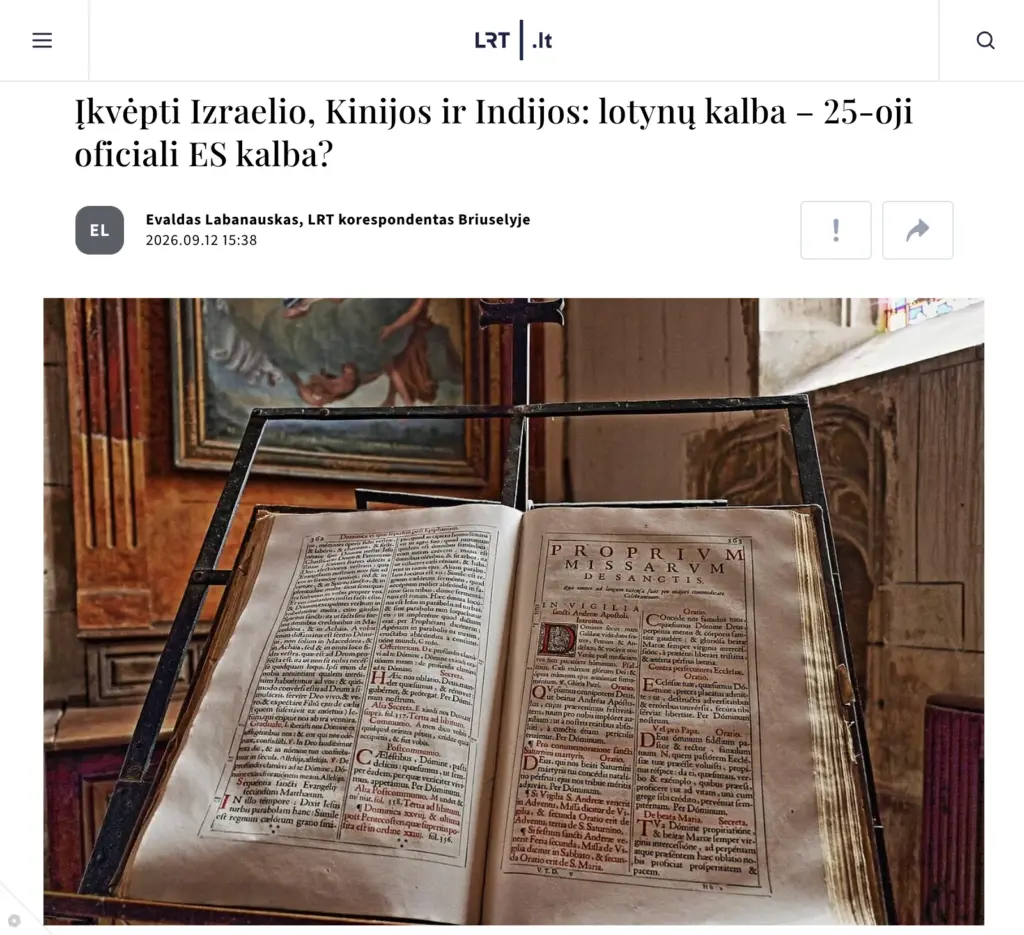
Throughout history, she points out, the Vatican has always found ways to adapt its message to the dominant media of the age: from illuminated manuscripts and elaborate papal bulls to radio broadcasts and television. In the Middle Ages, it dispensed doctrine via coins and paintings. For the Jubilee year 1900 Pope Leo XIII – who had earlier issued the papal encyclical Rerum Novarum denouncing the many evils of modernity – allowed himself to be photographed and filmed, causing pilgrims to kneel down in wonder at his image (described in a series of films about media and past Vatican Jubilee years as a kind of “visual epiphany”).
In 1931, Pope Pius XI inaugurated Vatican Radio, seeing the airwaves as a powerful way to reach the faithful worldwide (many millions still listen to the various national iterations of Radio Maria). Later, television brought the Pope into people’s homes. The internet has made Vatican communications more immediate and interactive than ever before.
In a sense, it shouldn’t surprise us that the Vatican is tapping into contemporary vernacular tools such as Instagram, artificial intelligence, and dedicated apps to reach the faithful. The medium may change, but the mission remains the same. No institution survives two thousand years of history without having some degree of pragmatism encoded in its DNA. (Translator is put in mind of the famous line from Tomasi di Lampedusa’s novel Il Gattopardo: “For things to remain the same, everything must change”).
The story of the Vatican and the Hays Code offers a telling example of how the Vatican has navigated changes in technology in the twentieth century, adapting its own approach as necessity dictates. Established in the 1930s, the Hays Code was a set of Hollywood guidelines aimed at regulating film content to ensure depictions of crime, sexuality, and immorality did not corrupt audiences. The Catholic Church was an ardent supporter of these restrictions, viewing cinema as a powerful force in either shaping or disturbing public morality. Pope Pius XI’s 1936 encyclical Vigilanti Cura urged Catholics to be discerning consumers of film and advocated for moral responsibility in the media more widely. For decades, the Hays Code shaped Hollywood’s output. But by the late 1960s, it was crumbling under the pressures of artistic freedom, social change and consumer demand. The Vatican was forced to shift from censorship to cultural engagement.
The 2025 Jubilee year kicked off with a televised spectacular. Millions of pilgrims are expected in Rome. The digital infrastructure is unprecedented. Social media platforms will be used to share messages, prayers, and live updates, allowing Catholics worldwide to participate even if they cannot physically attend. Mobile applications will offer navigation assistance, spiritual guidance, and historical context for those exploring Rome’s holy sites. AI is being studied as a tool for enhancing user experience, ensuring that information is personalised and accessible to diverse audiences.
And yet, Translator senses an ongoing tension between the Church’s traditions and the constant evolution of modern communication technologies. Much like the concrete barriers protecting Danish coastal towns from sea surges that Translator wrote about in its last Dispatch, the use of digital tools can give an illusion of control – suggesting that enduring, eternal faith can be neatly re-packaged into algorithms and instant notifications. But is it so simple?
A digital rendition of St Peter’s stitching together 400,000 photographs to make what Allemandi calls a “gigantic digital collage” is, on one level, simply another tool. In some ways, it’s better than the real thing because you can see details which would never be visible to earth-bound humans in the real physical space. It’s available online to people far from Rome – people who may indeed never visit. Equally, however, can it ever substitute for the richness of direct sensory experience? Is the gap between the image and the thing itself a merely philosophical or aesthetic problem, or does it go to the question of how belief works within us, within the world?
Faith and technology are now more intertwined than ever. The balance between tradition and modernity is, once again, being renegotiated.
The full original article by Carola Allemandi was published in Italian on 5 February 2025.
It is available here: Dal Codice Hays all’AI: Giubileo 2025 Roma
Siamomine is an editorial project dedicated to the analysis of cultural changes, the exploration of semantic and aesthetic trends, and the investigation of sustainable solutions.